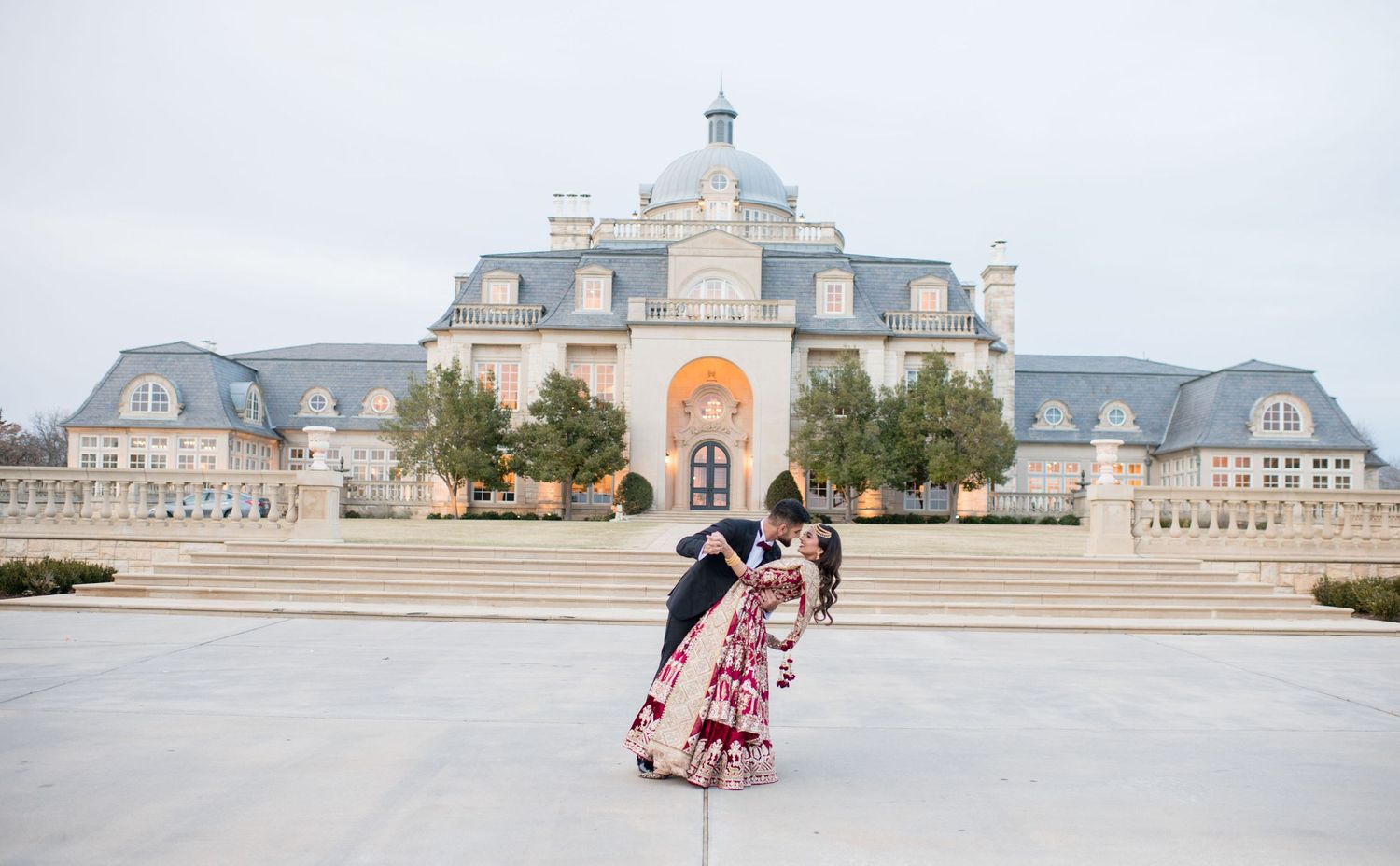
Dallas Wedding Photography Timeline: How to Plan Your Day for Beautiful Photos
Your dress is ready, your flowers have arrived, and your closest people are gathering around you. Then someone asks whether it is time to leave for the ceremony, but you have not taken your bridal portraits yet.
A thoughtful wedding photography timeline helps prevent that rushed feeling. It creates space for the photographs you want while allowing you to experience the celebration you planned.
A Dallas wedding photography timeline should account for getting ready, ceremony coverage, family photographs, couple portraits, reception events, and travel between locations. Build it around your ceremony time, available daylight, and whether you want a first look.
At The GRACE Pictures, we approach wedding photography and cinematic films with attention to both the images and the experience behind them. A well-planned schedule gives us room to create editorial portraits while staying present for the spontaneous moments that make your wedding personal.
Here is how to build a timeline that supports both.
Start with These Five Wedding Timeline Decisions
Before choosing when photography should begin, confirm:
- Your ceremony start time. This anchors much of the day.
- Whether you want a first look. This determines which portraits can happen before the ceremony.
- Your locations. Separate getting ready, ceremony, and reception spaces require travel and transition time.
- The moments you want covered. Preparation, private vows, cultural traditions, and your exit all affect coverage.
- Available daylight. Check sunset for your wedding date and location, then discuss how your venue affects usable light.
Share these details with your photographer, filmmaker, and planner before finalizing the schedule. Your creative team can identify what is realistic, while your planner can coordinate those needs with the venue and other vendors.
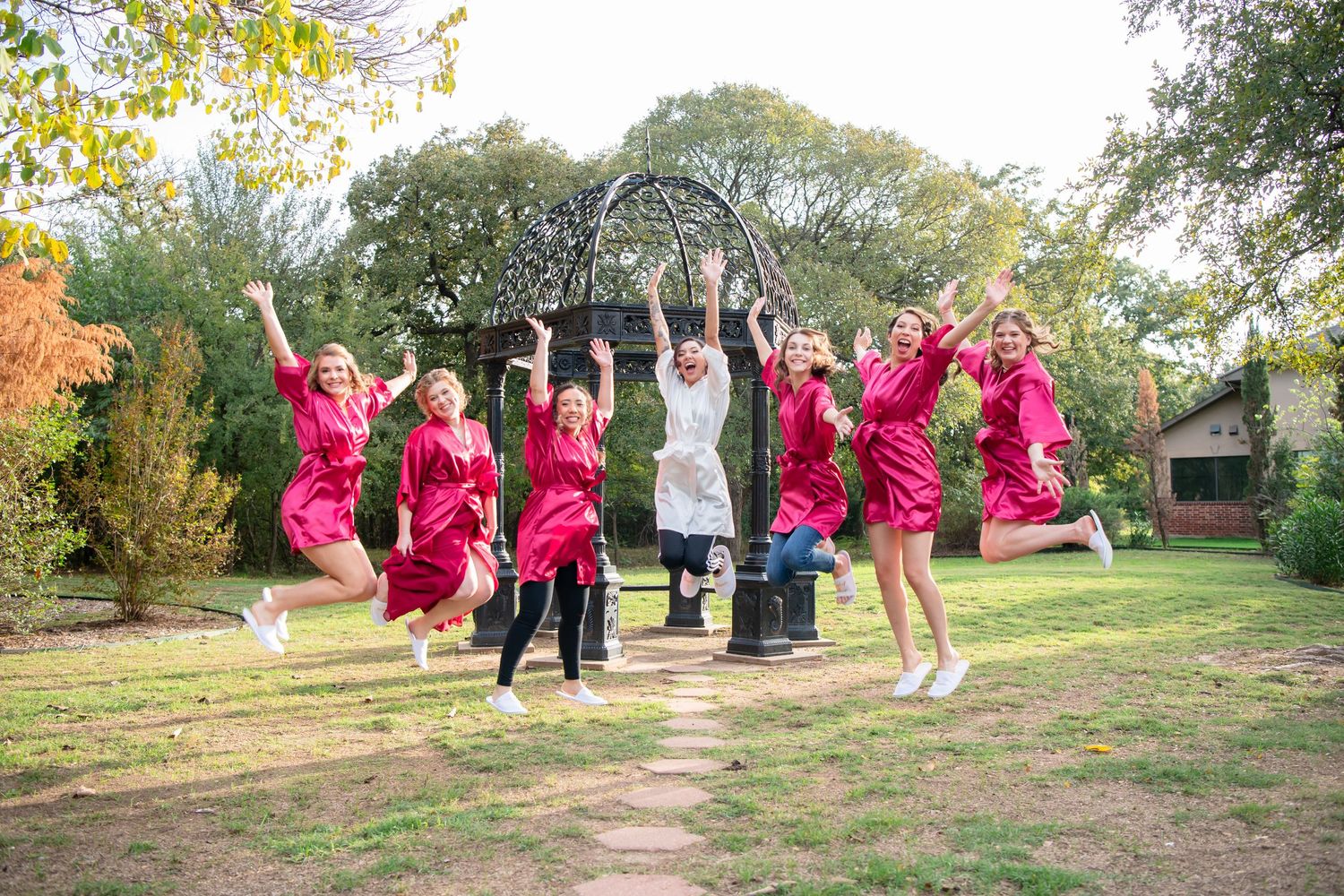
How Much Time Should You Allow for Wedding Photos?
Use these suggested time allowances as a starting point. Your photographer can adjust them around your venue, family list, wedding party, and priorities.
Details and finishing preparations: 45–60 minutes
Allow time for your attire, rings, invitations, accessories, and the final moments of getting ready.
Getting dressed: 20–30 minutes
This includes putting on your wedding attire, adjusting accessories, and capturing moments with the people helping you.
Individual portraits: 15–20 minutes per partner
Timing depends on the lighting, portrait locations, and movement between spaces.
First look and couple portraits: 30–45 minutes
Give yourselves time to enjoy the first look before moving into portraits together.
Wedding party portraits: 20–30 minutes
Larger groups and additional combinations may need more time.
Immediate family portraits: 20–30 minutes
Prepare your groupings in advance and make sure everyone knows when and where to gather.
Extended family portraits: Additional time as needed
Discuss the number of groupings, accessibility needs, and family size with your photographer.
Couple portraits without a first look: 20–30 minutes after the ceremony
Reserve this time separately from family and wedding party photographs.
Evening portraits: 10–15 minutes
A short break from the reception can provide another opportunity for photographs together.
Transitions within the venue: 10–15 minutes between major activities
Allow for walking, adjusting attire, and moving into the next location.
These time ranges are planning suggestions. Some activities may overlap when your booked team and locations allow it.
Sample Eight-Hour Dallas Wedding Photography Timeline with a First Look
This example assumes a 5:00 p.m. ceremony, one venue, and photography coverage from 1:00 p.m. to 9:00 p.m. Adjust portrait timing around the daylight available on your wedding date.
- 1:00 p.m. | Photography Begins
Details, accessories, and finishing preparations.
- 1:45 p.m. | Getting Dressed
Wedding attire, finishing touches, and moments with the people helping you.
- 2:15 p.m. | Individual Portraits
Separate portraits before the first look.
- 2:45 p.m. | First Look and Couple Portraits
A private moment together, followed by portraits.
- 3:30 p.m. | Wedding Party Portraits
Group photographs with your wedding party.
- 4:00 p.m. | Immediate Family Portraits
Preplanned family combinations.
- 4:30 p.m. | Break Before the Ceremony
Time to freshen up while the team prepares for ceremony coverage and photographs guest arrivals.
- 5:00 p.m. | Wedding Ceremony
- 5:30 p.m. | Cocktail Hour
Remaining portraits if needed, followed by time to join your guests when the schedule allows.
- 6:15 p.m. | Reception Entrance and First Dance
- 6:30 p.m. | Dinner
- 7:15 p.m. | Toasts and Scheduled Reception Events
- 8:00 p.m. | Open Dancing
- 9:00 p.m. | Photography Coverage Ends
If evening portraits are a priority, coordinate a brief window with your photographer and planner. An exit scheduled after 9:00 p.m. would fall outside this example’s coverage.
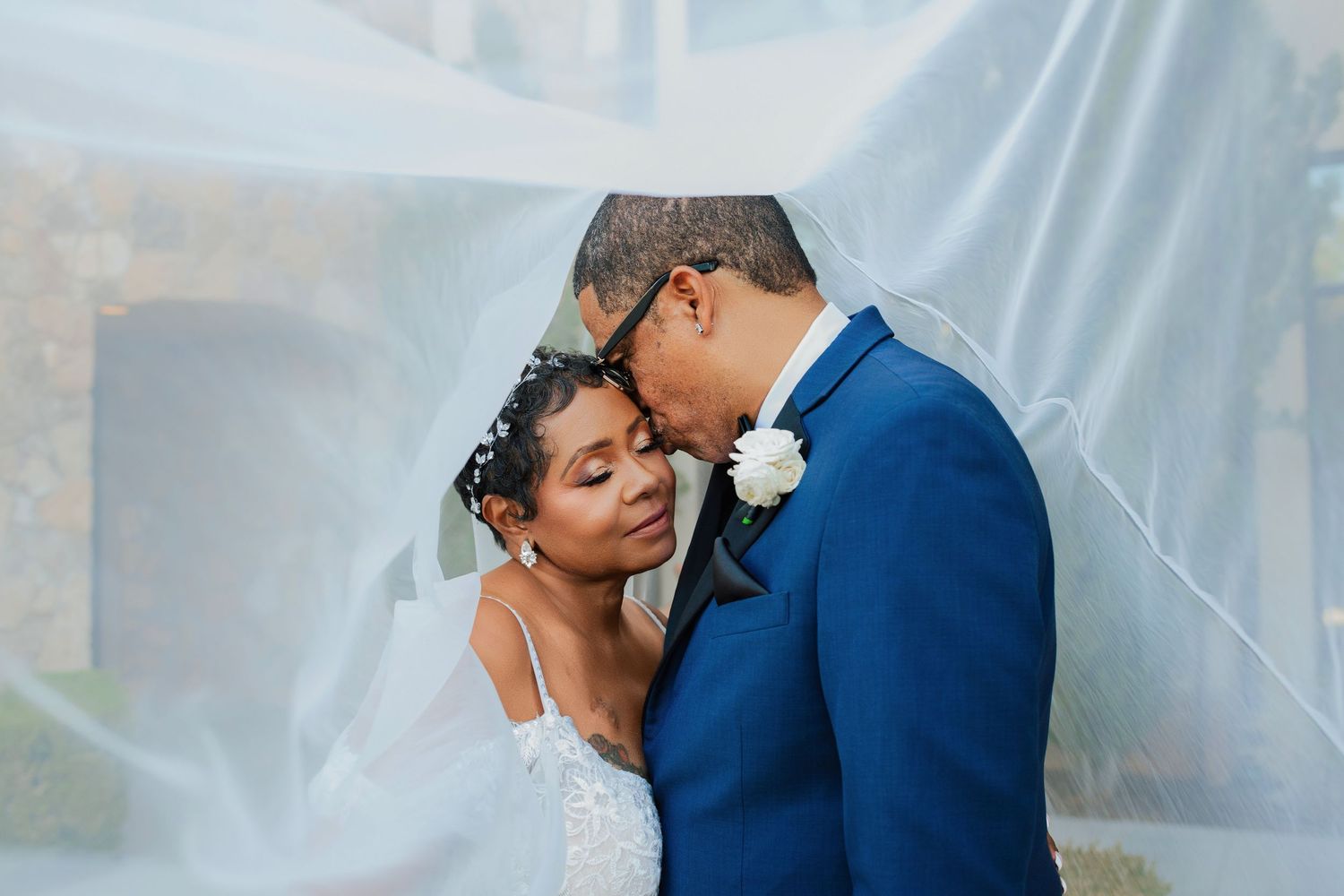
Sample Ten-Hour Wedding Photography Timeline Without a First Look
This example assumes a 4:00 p.m. ceremony, one venue, and photography coverage from 12:30 p.m. to 10:30 p.m. It also assumes enough usable daylight remains after the ceremony for outdoor portraits.
- 12:30 p.m. | Photography Begins
Details and finishing preparations.
- 1:15 p.m. | Getting Dressed
Wedding attire, accessories, and finishing touches.
- 1:45 p.m. | Individual Portraits
Separate portraits of each partner.
- 2:30 p.m. | Separate Wedding Party Portraits
Photographs with each side of the wedding party.
- 3:00 p.m. | Separate Family Portraits
Family combinations that can be completed without the couple seeing each other.
- 3:30 p.m. | Break Before the Ceremony
Time to freshen up and prepare for the processional.
- 4:00 p.m. | Wedding Ceremony
- 4:30 p.m. | Family Portraits
- 5:00 p.m. | Full Wedding Party Portraits
- 5:20 p.m. | Couple Portraits
Dedicated time for your first portraits together as newlyweds.
- 5:50 p.m. | Refresh Before the Reception
- 6:00 p.m. | Reception Entrance and First Dance
- 6:20 p.m. | Dinner
- 7:15 p.m. | Toasts
- 7:45 p.m. | Parent Dances and Cake Cutting
- 8:15 p.m. | Open Dancing
- 10:15 p.m. | Planned Exit
If an exit is included in your event schedule.
- 10:30 p.m. | Photography Coverage Ends
This example allows approximately 90 minutes between the end of the ceremony and the reception entrance. Confirm that arrangement with your planner, venue, and catering team.
For a winter wedding or a venue that loses daylight early, discuss an earlier ceremony, additional portraits before the ceremony, or indoor portrait options.
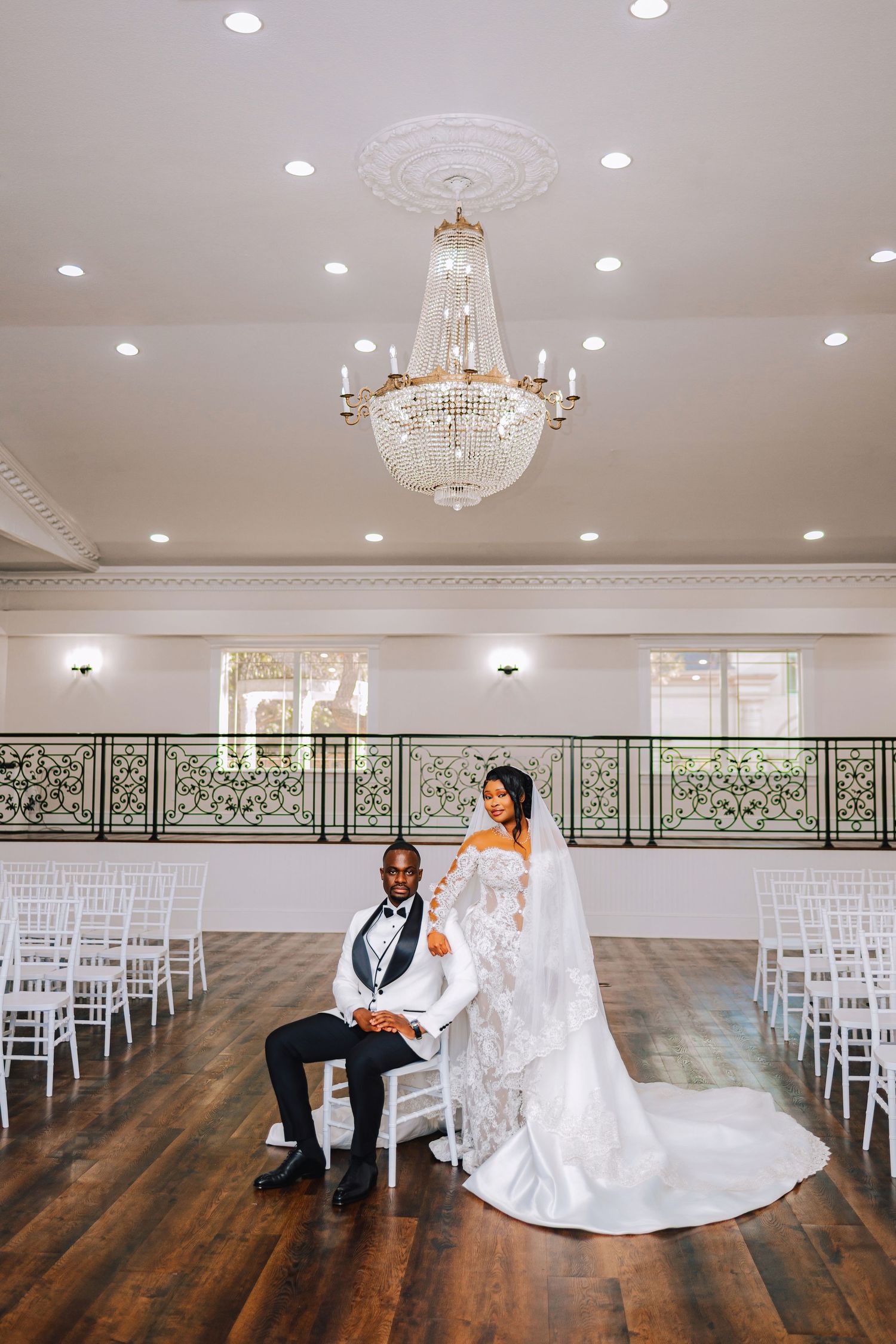
Should You Have a First Look?
Choose a first look based on the experience you want, then build the photography timeline around that decision.
A first look is a private opportunity to see each other before the ceremony. It can also make it possible to complete several portraits earlier in the day.
You may appreciate a first look if you want:
- A private moment together before guests arrive.
- More flexibility for couple portraits.
- To complete some group photographs before the ceremony.
- More time to join cocktail hour afterward.
If you prefer to see each other for the first time at the ceremony, that can be meaningful, too. Your schedule simply needs enough room afterward.
You can still photograph individual portraits and separate family groups before the ceremony without seeing each other.
At The GRACE Pictures, we want the timeline to reflect your preferences. The goal is to plan thoughtfully around the experience you choose.
Plan Around Dallas Light, Your Venue, and the Season
The best portrait time depends on your wedding date, the weather, and the light available at your specific venue.
Sunset is a useful reference, but it does not tell the whole story. Buildings, trees, covered courtyards, and the direction windows face can change when a portrait location receives flattering light.
For a downtown Dallas wedding, nearby buildings may shade your portrait location before sunset. At an open property, direct sunlight may remain stronger for longer.
For warmer-weather weddings
Allow room for indoor breaks, shaded portraits, and comfortable transitions. Ask your photographer whether a short later portrait session would suit the conditions.
For weddings with earlier sunsets
Check whether your ceremony ends before the outdoor portrait light is gone. If it does not, discuss earlier portraits, indoor options, or intentionally lit evening photographs.
For indoor celebrations
Ask which spaces are available for portraits and when they can be accessed. A room may have beautiful windows but be unavailable during setup or guest arrival.
A useful plan includes both your preferred portrait locations and an alternative if conditions change.
Include Real Travel Time Between DFW Wedding Locations
Build travel into your booked coverage whenever the team needs to move between locations.
A wedding that begins at a hotel in Dallas, continues at a ceremony in Irving, and ends at a reception in Arlington needs a different schedule from a celebration held entirely at one venue.
The same consideration applies to weddings across Fort Worth, Grand Prairie, Plano, Frisco, McKinney, and surrounding communities.
Allow for more than the drive itself:
- Gathering personal belongings.
- Getting the wedding party into vehicles.
- Parking and unloading equipment.
- Walking from parking areas to the venue.
- Finding the next portrait location.
- Setting up cameras, lighting, or audio.
Use route estimates for the expected travel window and add a realistic buffer with your planner. A tight travel schedule can reduce the time available for portraits even when everyone leaves close to the planned departure time.
Keep Family Portraits Organized
A written family portrait list helps protect time for both your loved ones and your couple portraits.
Before the wedding, prepare a list of the combinations you want. Names are more useful than broad descriptions such as “all family.”
Let your photographer know about family relationships, accessibility needs, or people who should be photographed early. Assign someone who knows the family to help locate anyone who is missing.
Tell those included in post-ceremony portraits where to remain. If several people leave for cocktail hour, gathering them again can take longer than the photographs themselves.
For a large extended family list, allow additional time or discuss whether some group photographs can happen later.
Make Space for Cinematic Wedding Films
A combined photography and film timeline should account for movement, spoken audio, and preparation for important events.
A photograph can preserve a gesture in a single frame. Film may need the movement before and after it, along with clear sound.
Tell your team in advance about:
- Private vows or letter readings.
- Surprise performances.
- Religious or cultural traditions.
- Speeches planned outside the main reception.
- Outfit changes.
- Events happening in different rooms at the same time.
Your filmmaker may need time to coordinate audio with the officiant or DJ and prepare cameras before the ceremony or speeches begin.
At The GRACE Pictures, we offer both wedding photography and cinematic films. Discussing the schedule together helps us plan for your selected coverage and creative priorities.
If you are deciding which films you want, explore our guide to wedding highlight films versus documentary wedding films.
Five Small Details That Help Your Wedding Day Stay on Track
1. Have details ready when photography begins
Gather any invitations, rings, accessories, shoes, or personal items you want photographed. This reduces time spent searching for them after the team arrives.
2. Coordinate hair and makeup with portrait timing
Tell your beauty team when you need to begin getting dressed and when the first portraits are planned. Those times may be much earlier than the ceremony.
3. Give yourself a break before the ceremony
A short pause allows time to freshen up, have water, and prepare for the ceremony without moving directly from portraits into the processional.
4. Coordinate reception events with the creative team
Have your planner or DJ confirm that photography and film are ready before beginning an entrance, speech, dance, or surprise.
5. Compare the final event with your coverage end time
If your exit matters to you, make sure it falls within booked coverage. Confirm the timing before the wedding so everyone is working from the same plan.
Frequently Asked Questions About Wedding Photography Timelines
Is eight hours of wedding photography enough?
Eight hours can work well for a wedding with a focused schedule, especially when events take place at one venue. Whether it is enough depends on preparation coverage, ceremony timing, travel, and the reception events you want photographed.
When is ten hours of coverage helpful?
Ten hours can provide more flexibility when you want earlier getting ready photographs and later reception coverage, or when your day includes multiple locations, outfit changes, or additional traditions. The actual timeline should guide the decision.
How long should we allow for couple portraits?
Around 20–30 minutes is a useful starting point for one portrait session. A first look, several locations, or a more extensive portrait plan may need longer. You can also discuss dividing portraits into two shorter sessions.
Can we take wedding photographs after sunset?
Yes. Evening portraits can be created with available light and professional lighting. They have a different appearance from daylight portraits, so discuss the look you want and allow time for the setup.
Who creates the wedding photography timeline?
Your planner usually coordinates the overall event schedule, while your photographer and filmmaker advise on portrait timing, lighting, and coverage needs. If you do not have a planner, coordinate these details directly with your venue and creative team.
What happens if the wedding runs behind?
Tell your photographer and planner which moments matter most so they can help prioritize. The team may adjust portrait locations or the order of photographs. If additional coverage becomes necessary, refer to the terms of your agreement.
Can the same timeline work for a wedding outside Dallas?
The structure can be adapted for weddings in Houston, Austin, San Antonio, Tyler, and elsewhere in Texas. Rebuild the details around your venue, local sunset, travel requirements, and event schedule.
Plan a Wedding Day You Can Enjoy and Remember
The strongest wedding photography timeline leaves room for the photographs you want and the experiences that make them meaningful.
That might mean a quiet first look, an unhurried portrait with your parents, a few minutes outside together, or enough coverage to capture the dance floor when everyone finally lets loose.
At The GRACE Pictures, we create editorial wedding photography and cinematic films for couples across Dallas–Fort Worth, throughout Texas, and at destinations worldwide. Share your ceremony time, venue, and priorities with us, and we can discuss how your selected coverage fits the day you are planning.
Explore our wedding photography
Watch our cinematic wedding films
View our public pricing overview:
https://www.thegrace.pictures/dallas-houston-wedding-photographer-videographer-pricing/
Check availability for your wedding date
Still choosing your creative team? Read How to Choose a Wedding Photographer in Dallas: 10 Questions to Ask Before Booking.
The GRACE Pictures | Wedding Photography + Cinematic Films
Dallas–Fort Worth, Texas | Available throughout Texas and worldwide