Editorial vs. Documentary Wedding Photography: Which Style Is Right for You?
You might love a carefully composed portrait outside your venue and still want photographs of the laughter, tears, and conversations happening around you. Those preferences can belong in the same wedding gallery.
Editorial wedding photography uses intentional direction to shape photographs. Documentary wedding photography focuses on observing and recording events as they happen. Many wedding photographers combine both approaches, adjusting how much they direct throughout the day.
Understanding that distinction can help you choose a photographer, plan your timeline, and explain what you want. As you explore Dallas wedding photography with The GRACE Pictures, look beyond style labels and consider how the photographs were made.
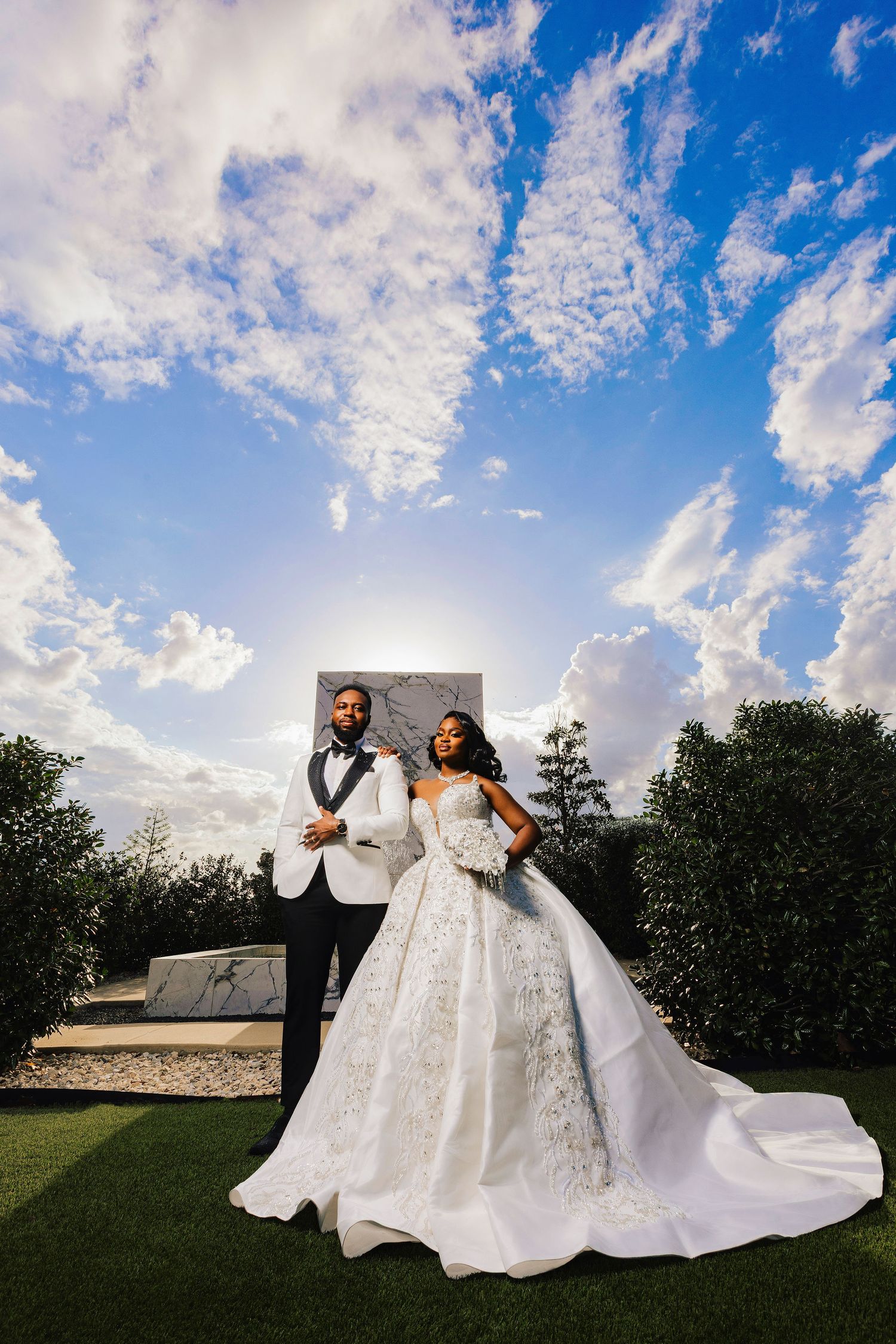
Dallas Editorial Wedding Photographer
What Is Editorial Wedding Photography?
Editorial wedding photography takes inspiration from the considered composition and styling associated with magazine imagery.
The photographer may choose a location, position you in flattering light, adjust the arrangement of a dress, and give guidance on posture or movement. Each decision contributes to the finished photograph.
That direction can be detailed or simple. You might be asked to stand in a particular place, walk together, turn toward the light, or pause for a portrait that includes the architecture around you.
When reviewing editorial wedding photography by The GRACE Pictures, consider what attracts you to the images: the setting, the clothing, the composition, or how the couple interacts.
Editorial portraits can still include genuine expressions. A photographer can create the conditions for a photograph while leaving room for your own connection and personality.
What Is Documentary Wedding Photography?
Documentary wedding photography emphasizes what is already happening.
The photographer watches for relationships, expressions, gestures, and the sequence of events. Rather than arranging each moment, they choose where to stand, when to photograph, and which interactions to follow.
Examples might include:
- Your parent reacting as they see you dressed.
- A friend laughing during a speech.
- Your partner squeezing your hand during the ceremony.
- Relatives greeting one another before the reception.
- Guests gathering around you on the dance floor.
Documentary coverage requires active attention. The photographer anticipates moments and works with the surroundings while allowing events to unfold.
It also captures things you may not see yourself. While you are speaking with one group of guests, someone else may be sharing a meaningful moment across the room.
How the Two Approaches Photograph the Same Situation
Imagine you have just finished getting dressed.
For an editorial bridal portrait, the photographer might guide you toward a window, arrange the train, and suggest where to place your hands. The photograph is built around a deliberate composition.
For a documentary photograph, the photographer might watch as a family member fastens the final buttons and another person reacts nearby. Their decisions concern timing and framing rather than directing the interaction.
Both photographs can be valuable. One gives you an intentional portrait of how you looked. The other records something that happened between you and the people around you.
The difference concerns how much the photographer influences the scene, rather than how meaningful the finished photograph becomes.
Photography Style and Editing Style Are Different Choices
Editorial and documentary describe approaches to making photographs. They do not prescribe one color palette.
An editorial portrait can be bright and colorful, softly lit, or dramatic. A documentary image can be delivered in color or black and white.
Likewise, words such as “light and airy,” “true to color,” and “dark and moody” generally describe appearance more than the amount of direction involved.
When comparing wedding photography portfolios, ask yourself two separate questions:
Do I like how the photographer captures people and events?
Do I like how the finished images look?
You may love a photographer’s candid moments but prefer a different editing style. You may enjoy their color palette while wanting more direction during portraits. Understanding both preferences makes your conversations more specific.
Which Wedding Photography Style Fits You?
Think about how you want to spend the day and which photographs you would most regret missing.
You May Prefer More Editorial Direction If:
- You enjoy polished portraits and thoughtful composition.
- Your clothing, venue, or design details are important visual priorities.
- You appreciate guidance about where to stand and how to move.
- You are willing to reserve dedicated time for portraits.
Being nervous in front of the camera does not rule out editorial photography. Clear, patient direction can make a portrait session feel more manageable.
You May Prefer More Documentary Coverage If:
- You want plenty of time interacting with guests.
- Family relationships and spontaneous expressions are major priorities.
- You would rather be photographed while doing something than looking toward the camera.
- You are comfortable with photographs that reflect events as they happened.
Documentary coverage depends on the actual day, including its lighting, surroundings, and activity. Ask to see complete galleries so you understand how that looks beyond a few standout images.
You May Want a Blend If:
You want refined portraits, photographs with family, and a generous record of the celebration around them.
A blended approach can give each part of the day the attention it needs. The useful question becomes when you want direction and when you want space.
Can You Have Editorial Portraits and Candid Wedding Photos?
Yes. Many couples plan a portrait window and leave the ceremony, speeches, and much of the reception to observational coverage.
For example, your photographer might offer more guidance during individual portraits, wedding-party photographs, and portraits together. During an emotional exchange or a speech, they may work quietly and anticipate reactions.
When exploring candid wedding photos and editorial portraits, look for a balance you enjoy across the full gallery.
Tell your photographer which parts of the day you want to experience without interruption. Also identify the portraits you specifically want to make.
That conversation is more helpful than requesting “natural photos” without explaining what natural means to you.
How Your Photography Preferences Affect the Timeline
Editorial portraits need enough time for the images you are imagining. Several locations, large wedding-party arrangements, or outfit changes may require more preparation than a short portrait session in one place.
Share a small selection of inspiration photographs and ask what would be realistic at your venue and ceremony time.
Documentary coverage benefits from time, too. A rushed schedule can limit opportunities to spend time with guests, and the photographer can only document events within the booked hours.
To support both approaches:
- Set aside a realistic portrait window.
- Prepare your family photograph list in advance.
- Include travel and outfit changes in the schedule.
- Allow time to enjoy the people you have brought together.
An engagement photography session can also help you discover how much direction you enjoy before planning the wedding portraits.
What to Look for in a Complete Wedding Gallery
Ask to see more than the images used to promote a photographer’s work.
Review preparations, the ceremony, family photographs, portraits, speeches, and dancing. Notice whether the gallery gives attention to relationships and guests as well as the couple.
For editorial work, look for variety in how people are directed. For documentary work, look for timing, clear storytelling, and expressions that help you understand the scene.
You can explore real-wedding examples through The GRACE Pictures, including Nykema and Edward’s Hall of Light wedding and Agathe and Larry’s celebration at Dalmore Event Venue.
Use galleries like these to identify what matters to you, then request a complete delivered gallery when speaking with a prospective photographer.
Choosing an Approach for a Cultural Wedding
For celebrations with cultural or religious traditions, discuss the event sequence as carefully as the portrait style.
Your photographer needs to know which moments happen quickly, who will participate, and whether any parts of the ceremony have photography restrictions.
For Nigerian, Congolese, Ghanaian, Indian weddings, Nikah ceremonies, and other celebrations, the specific plans vary between families.
With multicultural wedding photography, an observational approach can preserve ceremonies and family interactions as they unfold. A dedicated portrait session can give clothing, jewelry, and the couple’s style more deliberate attention.
Explain which events should proceed without interruption and when you would welcome direction. Planning those expectations allows both approaches to serve the celebration.
How Does Cinematic Wedding Film Fit In?
Photography and filmmaking can each include directed and observational coverage.
During portraits, the filmmaker may suggest movement that works well on video. During the ceremony and speeches, the focus may shift to recording events and sound as they happen.
When considering cinematic wedding films, watch complete examples and notice how they use vows, speeches, music, and ambient sound.
Ask your photography and film team how they coordinate portrait time. Sharing your priorities with both services helps everyone plan around the same experience.
Questions to Ask Your Wedding Photographer
Before booking, ask:
- How would you describe your balance of editorial and documentary coverage?
- Which parts of the day do you usually direct?
- How do you guide couples who feel uncomfortable posing?
- How much portrait time would our ideas require?
- How do you cover family and guest interactions?
- Can we review a complete wedding similar to ours?
- How do you coordinate with a wedding filmmaker?
Listen for practical examples. A photographer who explains their approach clearly can help you understand what working together will feel like.
Finding the Right Balance for Your Wedding
Choose the work that reflects how you want to remember the people, setting, and experience of your day.
You might want a dramatic portrait to frame, a photograph of your grandparents laughing together, and a collection that holds both comfortably. Your photographer should understand those priorities before the wedding.
The GRACE Pictures combines editorial portraits with attention to real moments, offering wedding photography and cinematic films throughout Dallas–Fort Worth, across Texas, and at destinations worldwide.
Explore the work and wedding photography and videography investment, then share your date and photography preferences to discuss your celebration.
Frequently Asked Questions
What is the main difference between editorial and documentary wedding photography?
Editorial photography uses direction to shape a photograph. Documentary photography focuses on recording events as they unfold, with less intervention in the scene. Many wedding photographers combine both approaches.
Is editorial wedding photography always posed?
It usually involves some direction, but that can include walking, movement, or a simple adjustment toward the light. It does not require every image to involve a formal, still pose.
Can documentary wedding photographs still look polished?
Yes. Timing, composition, lighting decisions, and editing can produce polished photographs without arranging the interaction itself. Look through complete galleries to find an approach you enjoy.
Can we have family portraits with documentary wedding coverage?
Discuss that with your photographer. Many provide planned group portraits alongside documentary coverage. Confirm the group list, time required, and approach before the wedding.
Does editorial photography cost more than documentary photography?
The style label alone does not determine the price. Coverage hours, team size, experience, travel, and deliverables all influence the total. Compare proposals with a similar scope.
How do we know which style we prefer?
Save photographs you love and identify what attracts you to each one. Then discuss those preferences with your photographer. An engagement session can help you experience their direction before the wedding.
Can The GRACE Pictures provide both editorial portraits and candid coverage?
Yes. Our approach makes room for thoughtfully directed portraits and real moments throughout the celebration. Explore our wedding photography and tell us which parts of the day matter most to you.